


The Courage to Be Authentically Ourselves

There comes a moment in every one's life when silence becomes louder than applause.
For years, many of us are rewarded for fitting in. We are praised for being agreeable, adaptable, graceful, and accommodating. We learn early how to be the “right” daughter, the “good” partner, the “responsible” parent, the “pleasant” colleague. Slowly, almost invisibly, we begin to edit ourselves. Authenticity does not disappear overnight. It fades in small compromises.

Authenticity requires courage because it often demands unlearning. We must unlearn the need for validation. We must unlearn the fear of disappointing others. We must unlearn the belief that our worth depends on approval.
is the quiet but radical act of asking: Who am I when no one is watching? What do I believe when expectations fall away? What truth trembles inside me, waiting to be spoken?
For many women especially, authenticity can feel uncomfortable. We are conditioned to maintain harmony. We are taught to prioritize relationships over individuality. But true relationships — whether with family, friends, or readers — can only thrive when rooted in honesty.

I learned this deeply during a period of profound personal loss. Grief has a way of stripping away performance. In the stillness that followed, I realized how much of my life had been shaped by expectation rather than intention. Without the familiar voices around me, I was left with my own. And for the first time, I truly listened. Writing became my mirror.
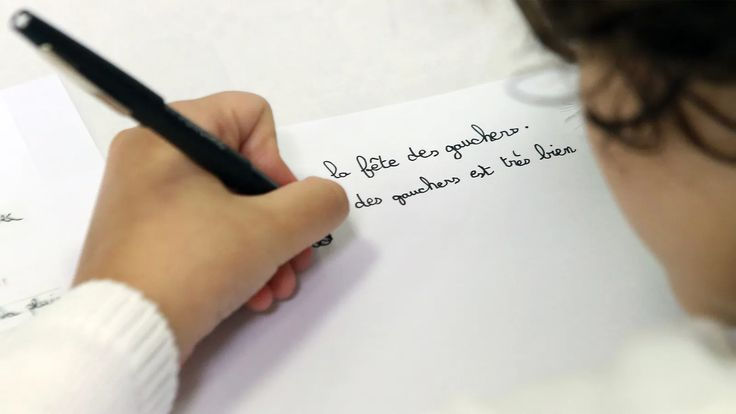
Through my novels and my relationship reflections, I stopped trying to write what would impress and began writing what was true. Not polished truth. Not convenient truth. But emotional truth. The kind that is sometimes uncomfortable yet liberating.

Let me share a simple example. A young woman once told me she had always wanted to pursue classical dance, but chose a corporate career because it felt “safer” and more acceptable. She excelled, earned well, and received admiration. Yet she felt restless. On weekends, she secretly attended dance workshops. That was the only time she felt fully alive.
The conflict was not between dance and corporate life. It was between who she was and who she was pretending to be.

Authenticity does not always mean abandoning responsibilities or making dramatic changes. Sometimes it means integrating who you truly are into the life you are already living. It means giving space to your voice. It means acknowledging your desires without shame.
When we deny our authentic selves, we experience quiet dissatisfaction. When we embrace them, even imperfectly, we experience alignment.
To be authentic is to live in alignment with your values, your voice, and your inner compass. It does not guarantee universal approval. In fact, it may invite criticism. But it brings something far more powerful — self-respect.

And self-respect is the foundation of every meaningful relationship.
The world does not need more people performing perfection. It needs individuals willing to stand in their truth — gently, courageously, consistently.

Authenticity is not loud. It is steady. It is choosing integrity over image. Truth over trend. Depth over display. When you become authentic to yourself, you give others silent permission to do the same. And that, perhaps, is the most powerful legacy any of us can leave.


Comments